
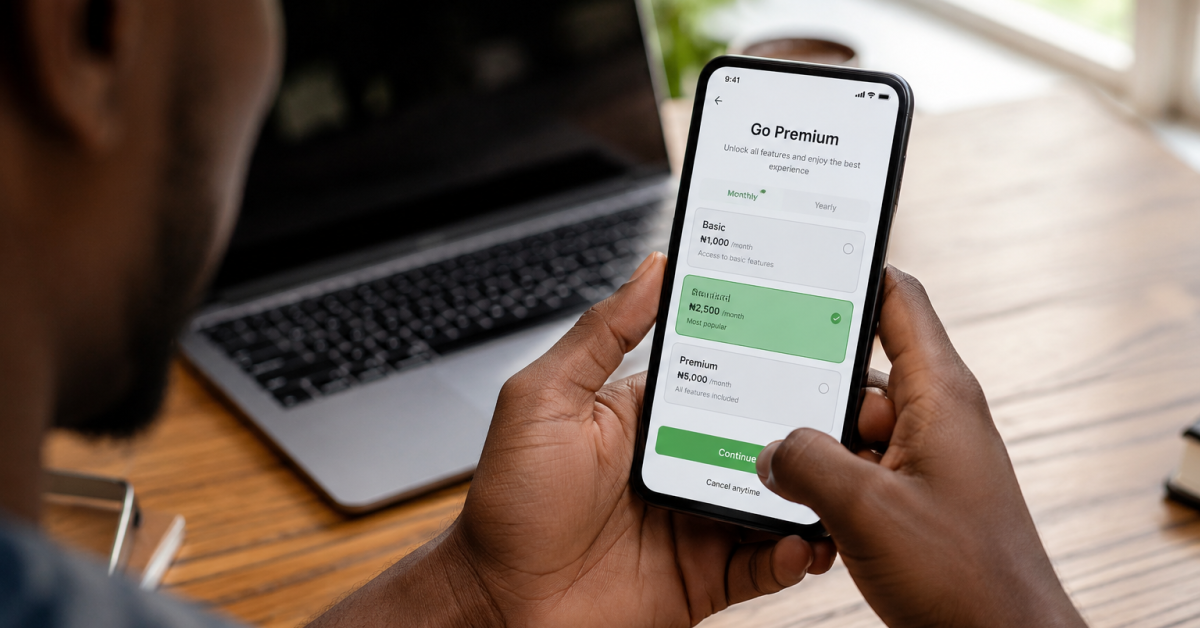
I have paid for Claude, ChatGPT, and X Premium for months now. I have never used a virtual dollar card for any of them. Every payment goes through the Google Play Store, on the same OPay Verve card that Facebook also accepts for my verification badge. No decline. No stress. And No extra card fee stacked on top of what I am already paying for. If you have been searching for how to pay for AI tools from Nigeria, this is the part most guides skip before telling you to go buy a virtual card.
This is not against virtual dollar cards. They solve a real problem for some tools. But most guides act like a virtual card is the only answer. For a lot of the AI tools you already use, the real fix might already be sitting inside an app you have not even opened yet.
The Problem Is Real, but Most Advice Only Tells Half the Story
Nigerian bank cards get declined on international payments all the time. This is not one bank’s fault, and it is not a myth. Most Nigerian banks block or limit cards from paying companies billed in US dollars. If you have tried to pay for something priced in dollars with a normal GTBank, Zenith, or UBA card, you already know that failed payment screen well.
The problem is real. What is missing from most advice is the rest of the picture. A whole group of fintech blogs has grown around this exact problem, and almost all of them jump straight to one answer: get a virtual dollar card, load it with money, and pay the full dollar price. That works. But for several tools you are probably already paying for, it is also the more expensive and more complicated way to do it.
Why Paying Through the Play Store Works When Your Card Does Not
Here is the simple reason this works, and it matters more than any single price. When you pay on a company’s own website, that company collects your money directly. Most AI companies use a payment system called Stripe to do this, and Stripe needs a card that can actually spend in US dollars. That is exactly where a naira card fails.
When you pay through the Google Play Store or Apple App Store instead, Google or Apple collects the money, not the AI company. Google and Apple already work with Nigerian banks and card networks, including Verve, because they handle payments for every Android and iOS app used in the country. Millions of Nigerians already pay for apps this way, every single day. Your card was never really the problem, the payment route was.
That one difference is the whole trick. Before you assume you need a workaround for any AI tool, check whether it has a mobile app with its own pay button first. Do not assume your card is the problem before you check that.
How This Actually Works, Tool by Tool
Claude is the clearest example, and it is actually a better deal, not just an easier one. Paying for Claude Pro through the Nigerian App Store or Play Store costs around ₦14,900 a month. Paying directly on the Claude website with a dollar card costs the full $20, which comes out to almost double that amount. Same product, same features, nearly half the price, just because of which door you walked through to pay.
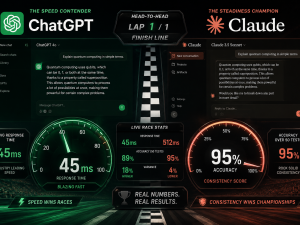
ChatGPT is more complicated, and this is where most guides stop explaining, because it does not fit into one simple sentence. Regular ChatGPT Plus is billed worldwide in US dollars through Stripe, at $20 a month. Nigerian tax on digital services pushes that above ₦30,000, even when a virtual card handles the payment with no problems. What most people do not know is that OpenAI also launched a cheaper plan called ChatGPT Go, priced and billed in naira just for Nigeria, along with dozens of other countries. It is not the same as Plus, and it has fewer features, but if what you actually need is GPT-5 without paying the full Plus price, check whether Go covers what you need before you jump straight to a virtual card for full-price Plus.
X Premium is the third one I pay for this way. Straight through the Play Store, naira price, same Verve card, no card service involved at all. The pattern is the same every time: check the app first.
When This Trick Will Not Work for You
This only works when a company has actually built local payment into its app, and many have not. Tools that only exist on the web, with no Android or iOS app at all, such as most AI image and video tools, API-only products, and a lot of newer AI startups, have no app store payment option to use. For those, a virtual dollar card really is the right fix, and there is no way around needing one.
Your Play Store account location matters too. If your Google account is set to a different country, maybe from an old setup or a VPN habit, the naira price and local card support will not show up properly. Checking that your Play Store account is set to Nigeria is a five minute fix worth doing before you assume a tool does not support this.
Prices also change. Tax rules shift, exchange rates move daily, and companies change their local prices without much warning. The ₦14,900 Claude price and the ChatGPT Go naira price are correct as I am writing this, but treat any exact number in this post as a snapshot, not a permanent fact. Always check the real price inside the app before you commit.
What Nigerian Creators Keep Running Into
Every fintech blog covering this topic describes the same frustration, just from a different angle. A card that worked once and then failed on renewal. A subscription that quietly stopped because the payment method broke halfway through the month. A payment that gets rejected with no real explanation. This is a common, well known pattern across almost every dollar-billed platform Nigerians try to use. It is not a one-time glitch.
What gets talked about far less is how often the real fix was already sitting in the App Store the whole time. Virtual card companies exist because the problem is real. But so much content pushes only toward paid card services that the free, built-in option gets buried under guides that have an obvious reason to skip right past it.
Check This Before You Buy a Virtual Card
Do this for any AI tool before you assume you need a workaround. Open the Google Play Store or Apple App Store and search for the tool directly, instead of going to its website first. If an official app exists, open it and look for the subscribe or upgrade button inside the app itself, not through a browser link. Check if the price already shows in naira and if your normal bank card is accepted.
If the app shows a naira price and takes your card, you are done. You just saved yourself money and skipped the hassle of a separate card service. If no app exists, or the price still shows in dollars and your card gets declined, that is your real sign that a virtual dollar card is the right next step for that one tool, not something you needed from the very start.
The Bigger Pattern Worth Remembering
This is not really a Nigeria-only problem, and it will not stay the same forever. As more AI companies grow into markets like Africa, South Asia, and Latin America, some will build real local payment into their apps. Some will launch cheaper local plans like ChatGPT Go. Some will do neither and leave direct dollar payment as the only option. The exact prices in this post will change over time, but the idea behind it, checking who is actually collecting your money before you assume your card is the problem, will keep working no matter what new AI tool launches next.
That one idea is worth more than any single price. It is the part that keeps being useful long after the numbers in this post are out of date.
If you are still deciding which AI tools are actually worth paying for before you even worry about how to pay, our Claude free vs Pro vs Max breakdown and our ChatGPT free vs Plus vs Pro comparison are good next reads. Both are written the same simple, practical way as this one.








Join the discussion Tap to open the comment form +