

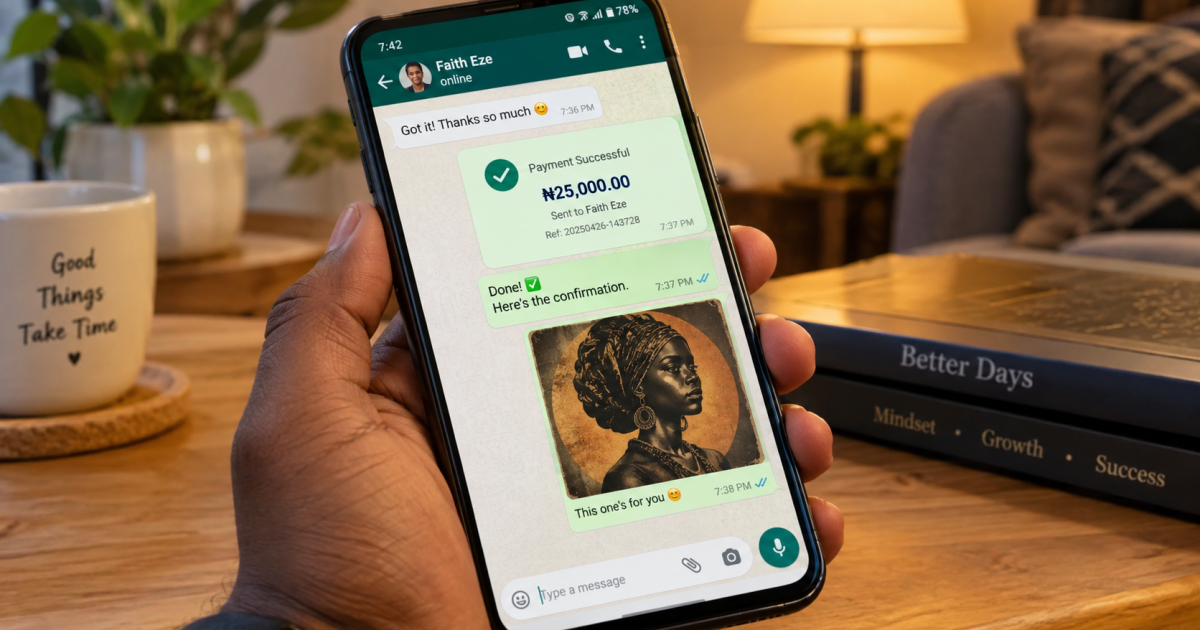
Somewhere on WhatsApp Status right now, someone is charging money to turn other people’s selfies into 1980s-style portraits.
It sounds small until you look at the actual math: a real WhatsApp-based AI photo chatbot listed for sale on Microns, built around this exact concept of professional headshots from selfies, documented over a thousand dollars in revenue from 724 paying customers before its founder sold it outright.
The tool doing the work costs a monthly subscription, same as the ChatGPT and Gemini subscriptions we’ve covered paying for from Nigeria, and the service itself is just a prompt, a photo, and a few minutes.
This is a look at whether that model actually holds up once you run the real numbers from here, using the 80s photo trend currently spreading across TikTok and Instagram as the entry point.
Key Takeaway: The underlying business model here is proven, not speculative. What matters is whether the math works from Nigeria specifically, since subscription costs, payment collection, and local demand all look different here than they do for a service built around US pricing.
The Trend Itself, Briefly
The current wave has people uploading a clear selfie to ChatGPT or Gemini and asking for a period-accurate transformation, most commonly the 1980s studio-portrait look.
It’s spread fast because the results are genuinely convincing and the prompt is simple enough that anyone can try it once they know it exists.
That last part is the actual opportunity: most people don’t know it exists, and even fewer want to spend time getting the wording right.
A Real Business Already Proved the Model
A WhatsApp chatbot built around this exact idea, sending selfies in, receiving styled AI portraits back, generated genuine recurring revenue from 724 real paying customers at roughly 12 dollars per 100 images, before the founder sold the entire project.
That’s not a projection or a hypothetical. It’s a documented case of people paying for precisely this service through the exact messaging app most Nigerians already have open all day.
The trend doing the rounds right now is the marketing hook this business never needed to invent.
People are already primed to want the 80s look specifically, which removes the hardest part of any service business: convincing someone they want the thing at all.
What It Actually Costs to Run From Nigeria
Here’s where the math gets specific to us. ChatGPT Plus in Nigeria now costs roughly 31,500 naira a month, up sharply from its earlier local pricing, since OpenAI moved Nigerian users onto the same rate as the US market.

Gemini’s paid tier runs on a similar structure. Either subscription needs to be earning back its own cost through the service before anything counts as profit.
Running the numbers plainly: if a single subscription costs around 31,500 naira monthly and you’re charging even 1,500 naira per finished photo, covering that cost alone takes 21 sales in a month, before accounting for your time or any wider promotion.
That’s a realistic, checkable target, not a guess, and it’s worth sitting with before assuming this pays for itself immediately.
Where the Free Tiers Fall Short
Both ChatGPT and Gemini offer free access, but with tighter usage limits and slower image generation queues at busy times.
Running a paid service on a free tier risks slow turnaround and rate limits right when a customer is waiting, which is a fast way to lose the trust a small side hustle depends on. Budgeting for the paid tier from the start is the more honest way to plan this out.
Skipping the Slowest Part: Getting the Prompts Right
The single biggest time cost in testing this isn’t the AI generation itself, it’s writing prompts detailed enough to get a consistent, professional-looking result on the first try instead of the fifth.
A vague instruction like “make this look like the 80s” tends to produce inconsistent, sometimes cartoonish results, while a prompt specifying lighting, lens character, and film color rendering tends to produce something a paying customer would actually be happy with.
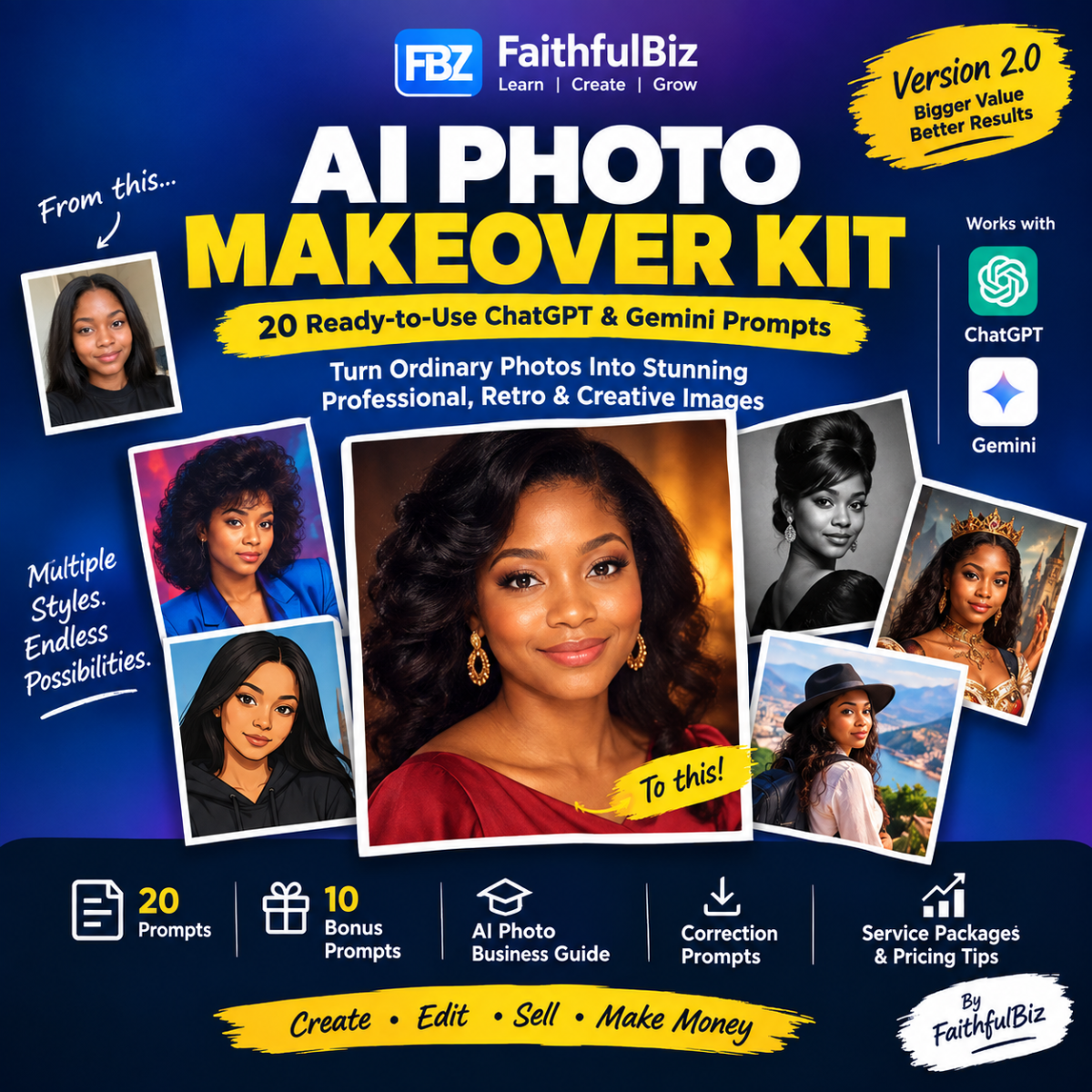
That’s the gap our 20 AI Photo Transformation Prompts pack is built to close. It includes the 1980s prompt driving the current trend along with 19 other tested styles, each written with the kind of lighting and composition detail a photographer would actually specify, so the first result is usable rather than a starting draft.
Setting Honest Expectations
None of this is a guaranteed income stream. It depends on how many people in your own network are willing to pay, how consistently you promote it, and how well you manage delivery once orders start coming in.
The 724-customer example proves the concept works somewhere, not that it will work identically here at the same scale or speed.
A sensible way to test it without overcommitting: offer it to a small circle first at a modest price, track how long each image actually takes you including any regeneration, and only then decide whether the math supports treating it as a real, ongoing side hustle.





















Conversation (0)